
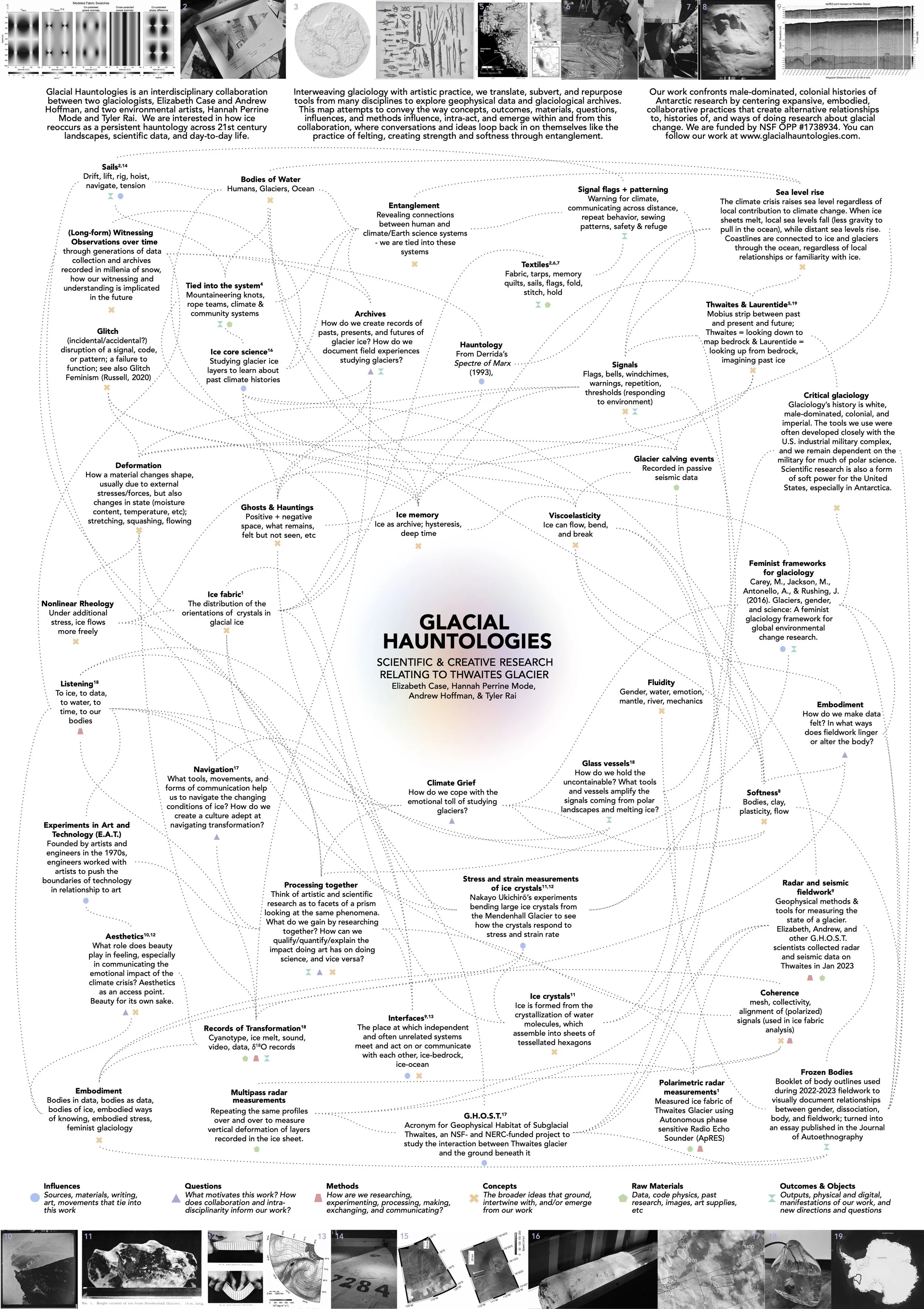
exhibitions - lamont-doherty earth observatory
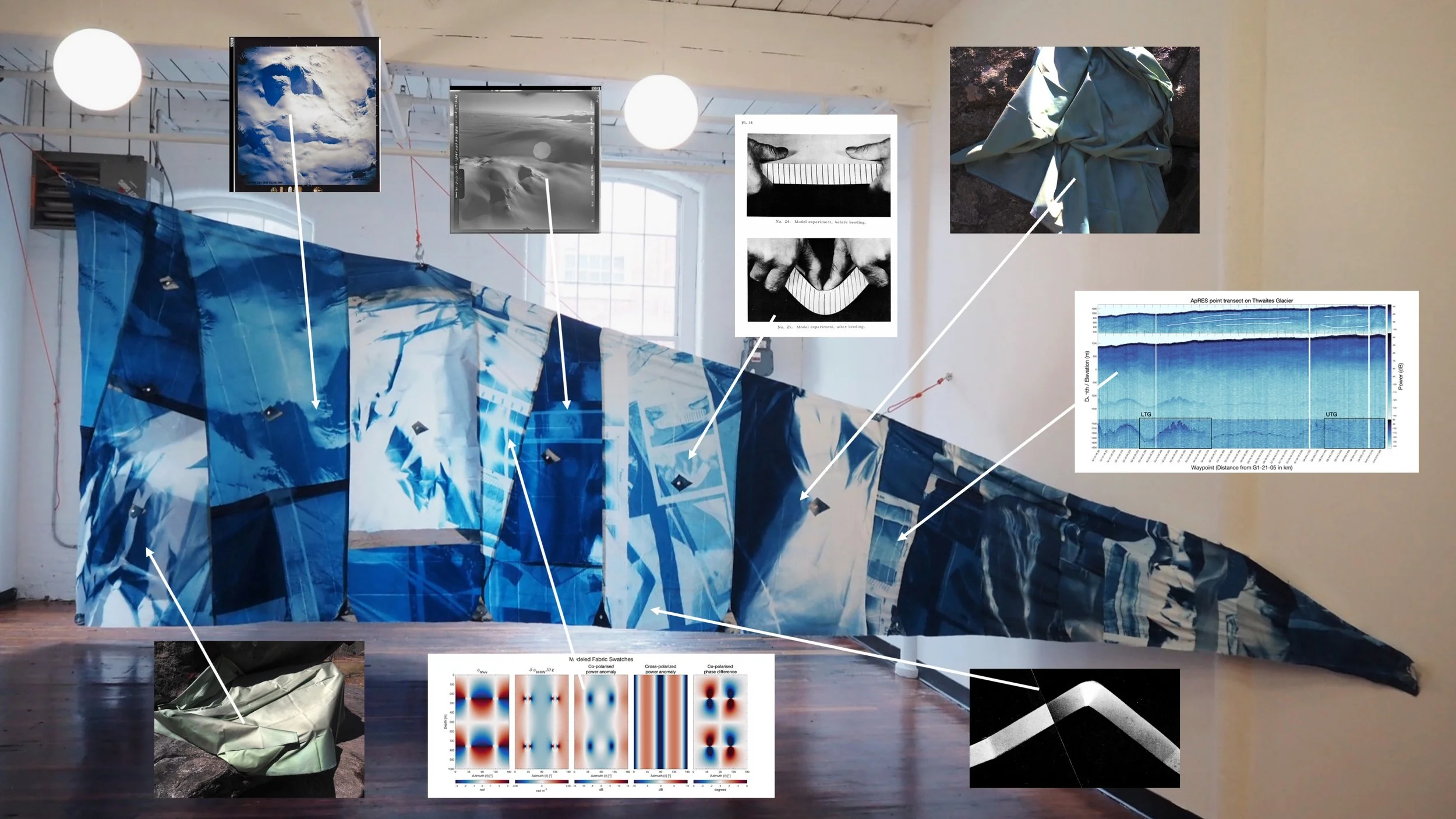
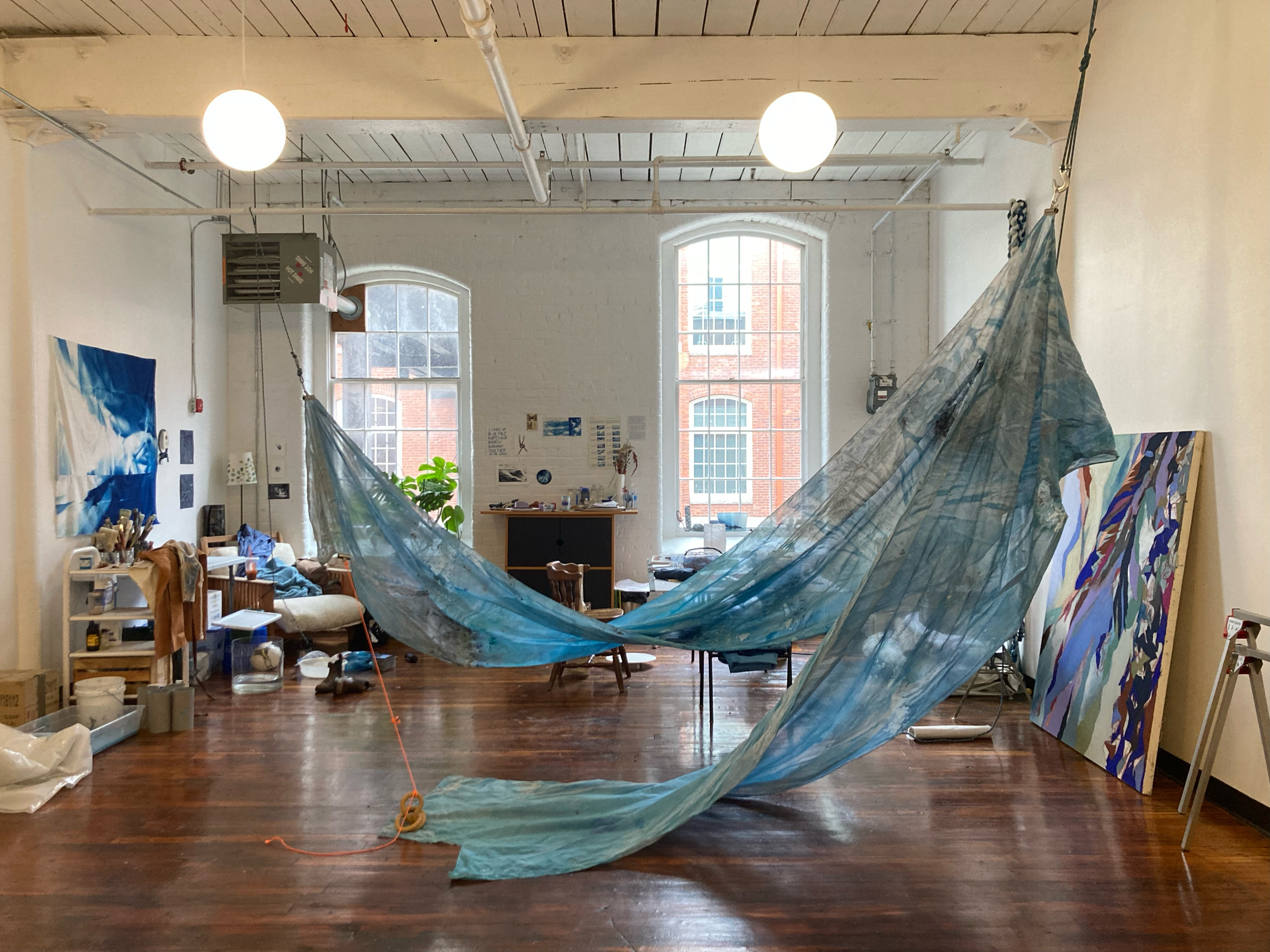
signal’s flag was on display at the lamont-doherty earth observatory from september 2024-April 2025
events - wceh 2025
in oulu, finland, we presented our collaboration to the world congress of enviornmental history.
in-person — essay possibilities
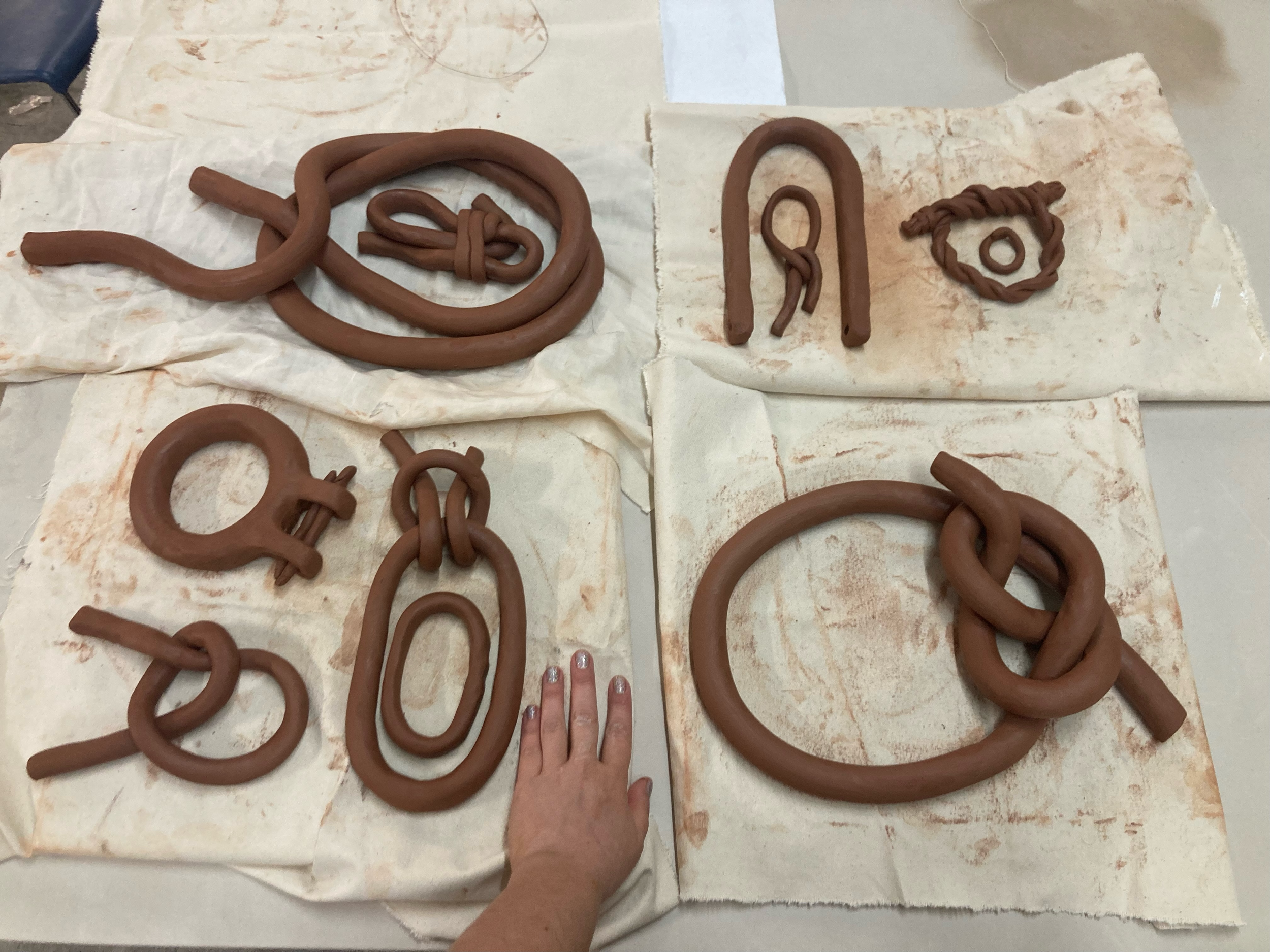
a book the size of petrified media
1. coherence
mathematically, coherence is a measure of how well a signal can reproduce another given a linear function (i.e. multiplied by another number)
a relationship, not a property
in physics, wave coherence is a measure of interference
what is more coherent to a body standing with its hands raised in Y: a body standing with its hands by its side, or a body sitting with its hands raised in a Y?
2. ice fabric
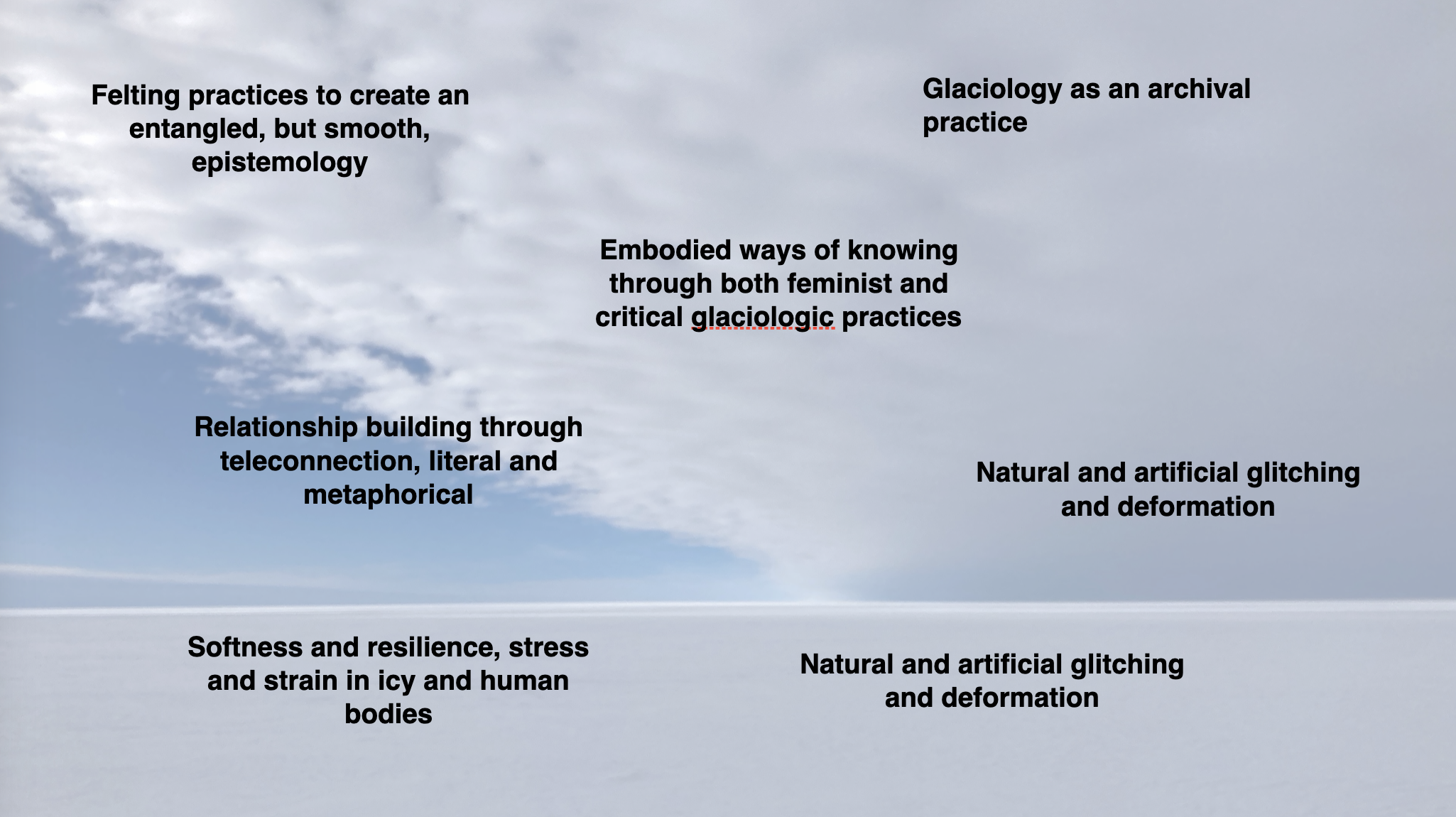
softness, hardness, stress, strain
the past influences movement in the present, influences response to stress in the future
does ice harden as it is heated and cooled, like glass or metal?
3. haunting
4. observing ice in geologic time
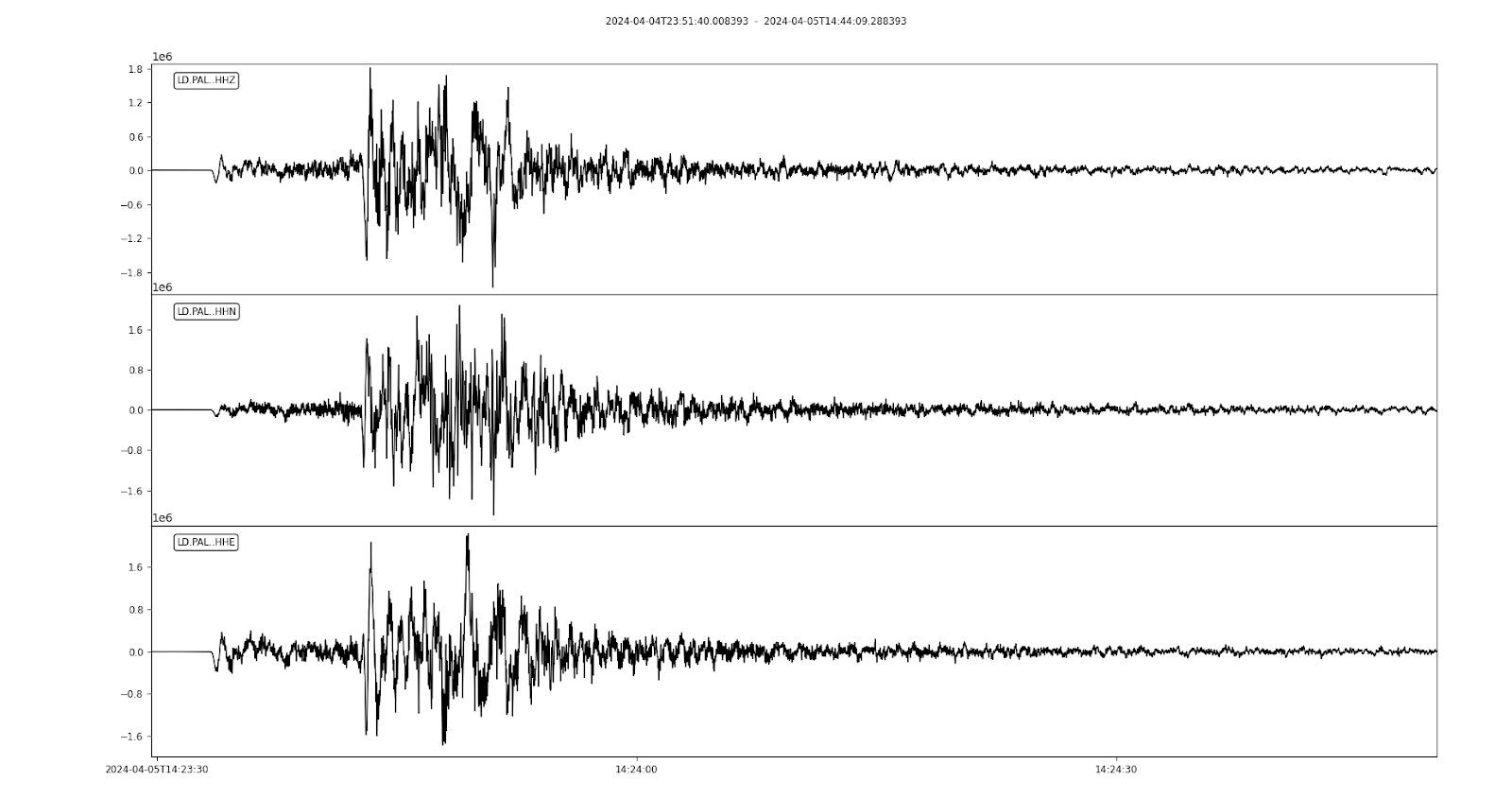
- compression of time (insight into the geological) in looking at calving signals across time
notes - possible impact frameworks (may 2024)
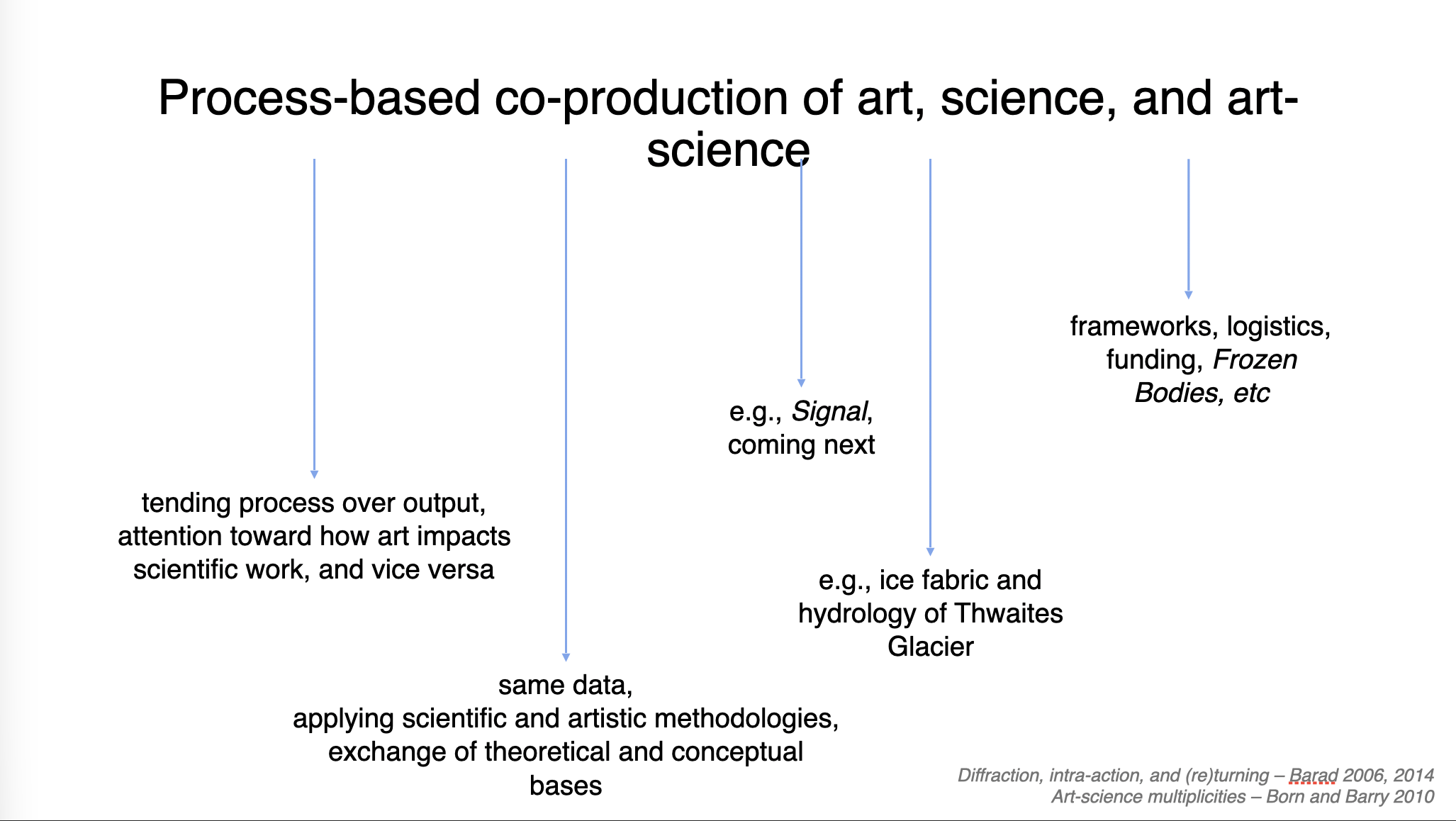
how do we write about this work? how do we represent diffuse, non-linear collaborations? how do we cite inspiration and conversation? how can we use this project to “legitimize” art-science collaborations in the eyes of academic and funding institutions? should we aim for impact?
here are some potential resources for possible frameworks with which to guide our collaboration/writing.
"To close the article, we reflect on the implications of these insights for the standing of arts-based co-production in the struggle for legitimacy revolving around what counts as knowledge and whose knowledge counts.There are two types of results of arts-based co-production. One type is emergent knowing among participants that may lead to lasting personal knowledge. For instance, co-researchers may gain knowledge about relations between their own voices and the voices of others with experience of Parkinson’s dance (as articulated in the interview citations).The other type is knowledge and artefacts (haikus) that go beyond the workshop participants and may contribute to the (wider) fields of practice and research. Both types result from the embodied and creative relational becoming process and both include embodied, affective, aesthetic knowing. However, it is only the second type that is generally recognised as research results by researchers across epistemologies, including that of the democratic, dialogic discourse as well as the positivist and technocratic discourses."
The audacity of imagination: Arts-informed approaches to research and co-production
“The chapter proposes an actionable configuration of context + mechanism = outcome embedded within five key dimensions that influence arts-based engagement with research: 1) features of the approach; 2) resources and infrastructure; 3) relationships and collaboration; 4) skills and experience of stakeholders; and 5) realising impact from engagement.”
CreaTures Framework: Nine dimensions for evaluating creative practices: what they’re for and how to use them
- Changing Meanings: Embodying, Learning, Imagining
- Changing Connections: Caring, Organizing, Inspiring
- Changing Power: Co-creating, Empowering, Subverting
Toolbox for measuring impact of science communication (Utrecht University)
Future Manual for Future Models
“The aim of this manual is to expand conceptions of what modelling might be. What might a model look like if it was developed by artists?“
events - SAR Forum, Tilburg, Netherlands, april 10-11
events - SAR Forum, Tilburg, Netherlands, april 10-11
presented at the society for artistic research in april 2024
events — egu 2025
in vienna, austria, we presented our work at the european geophysical union annual meeting
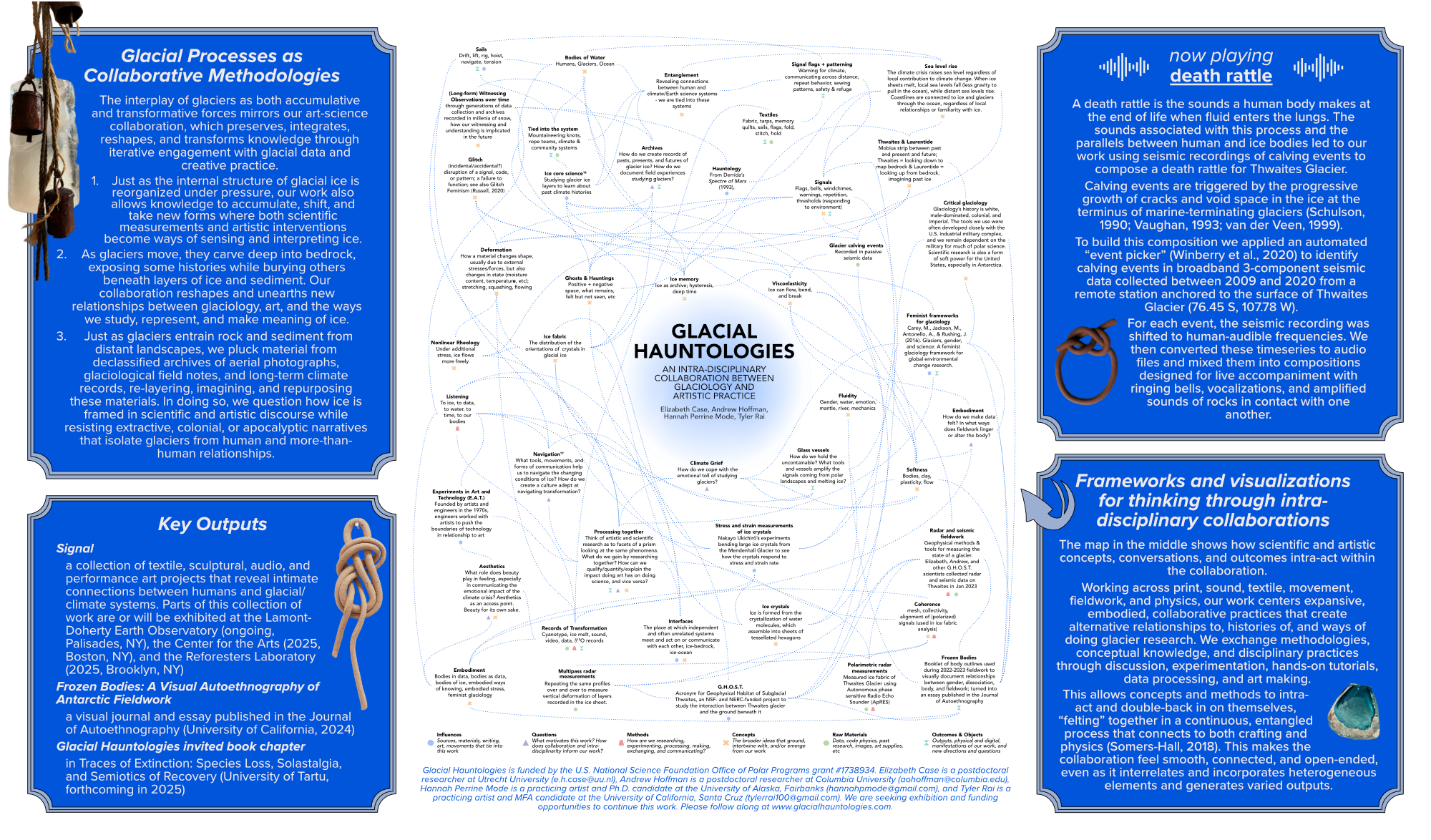
writing - forthcoming book chapter
we were invited to submit to chapter to the anthology “ Traces of Extinction: Species Loss, Solastalgia, and Semiotics of Recovery”, which will be published sometime at the end of 2025 or beginning of 2026. stay tuned!
notes - february 22
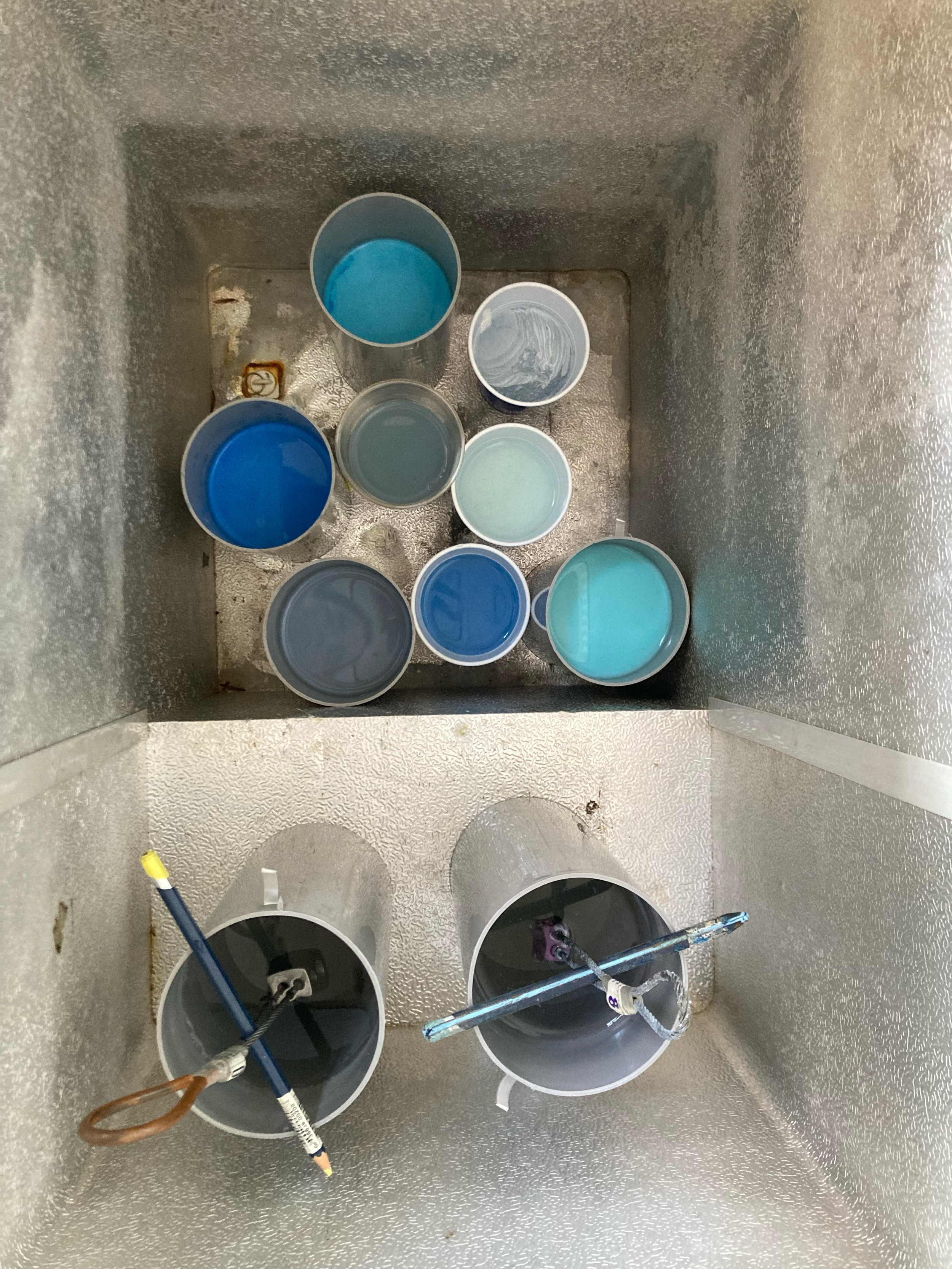
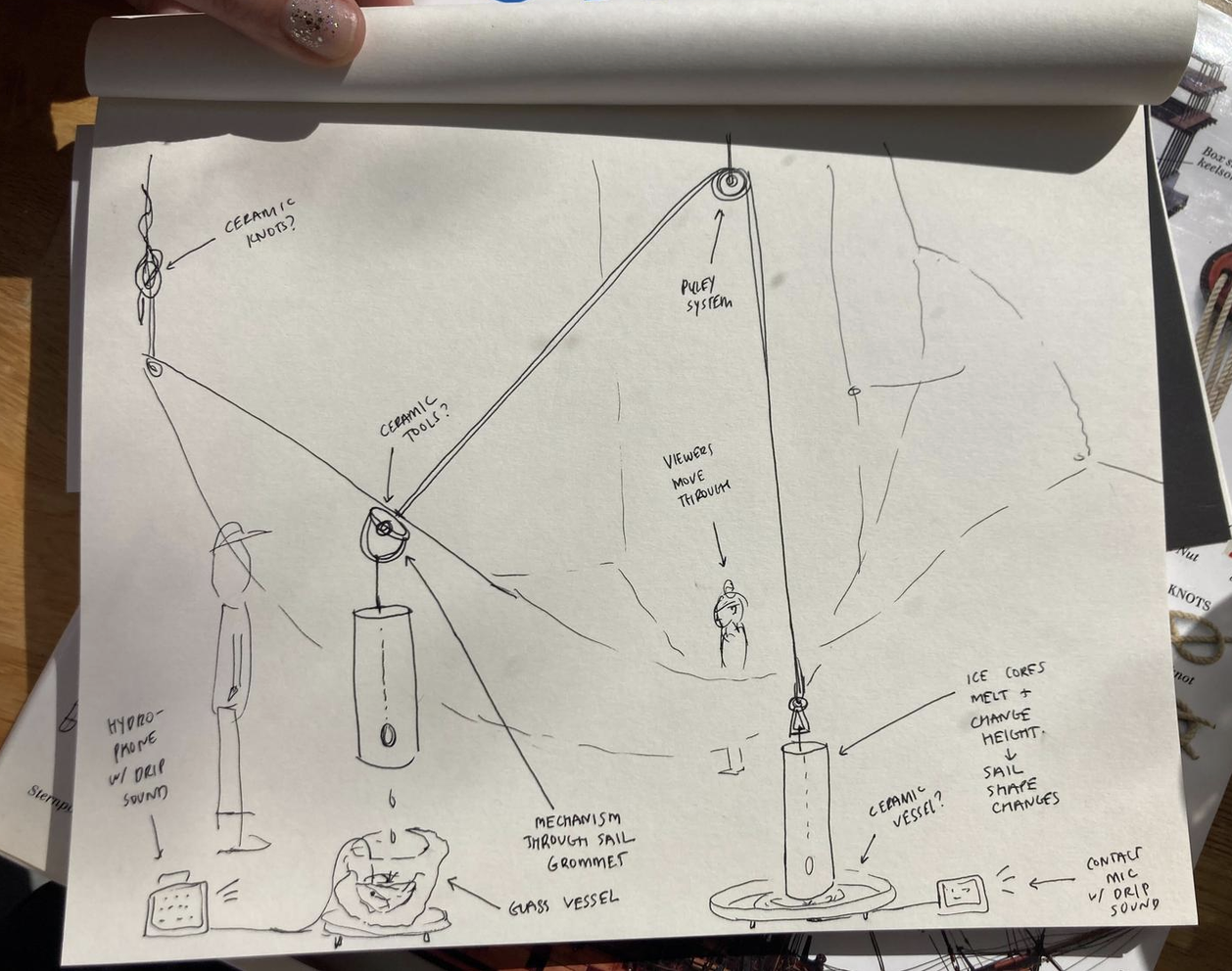
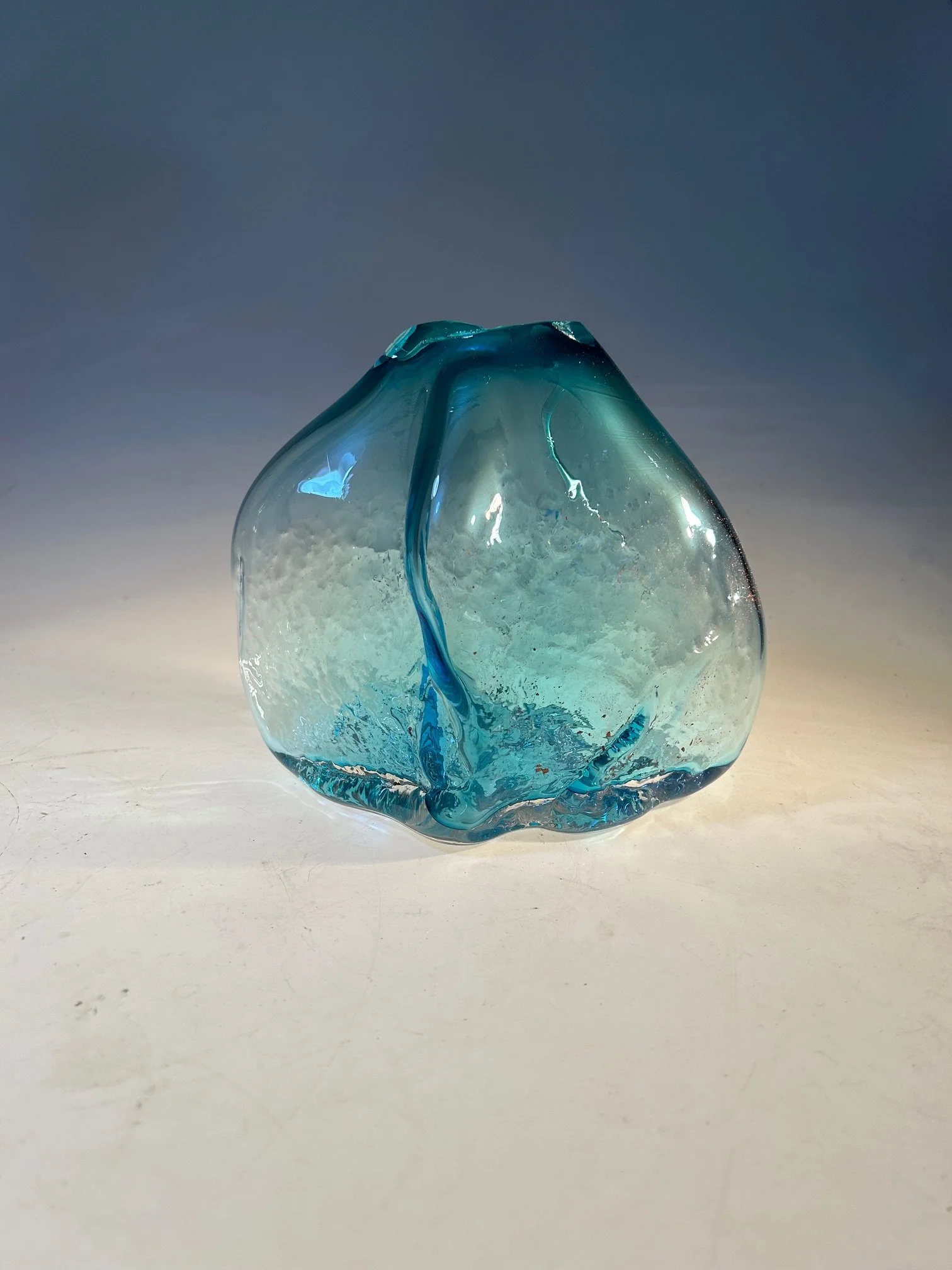
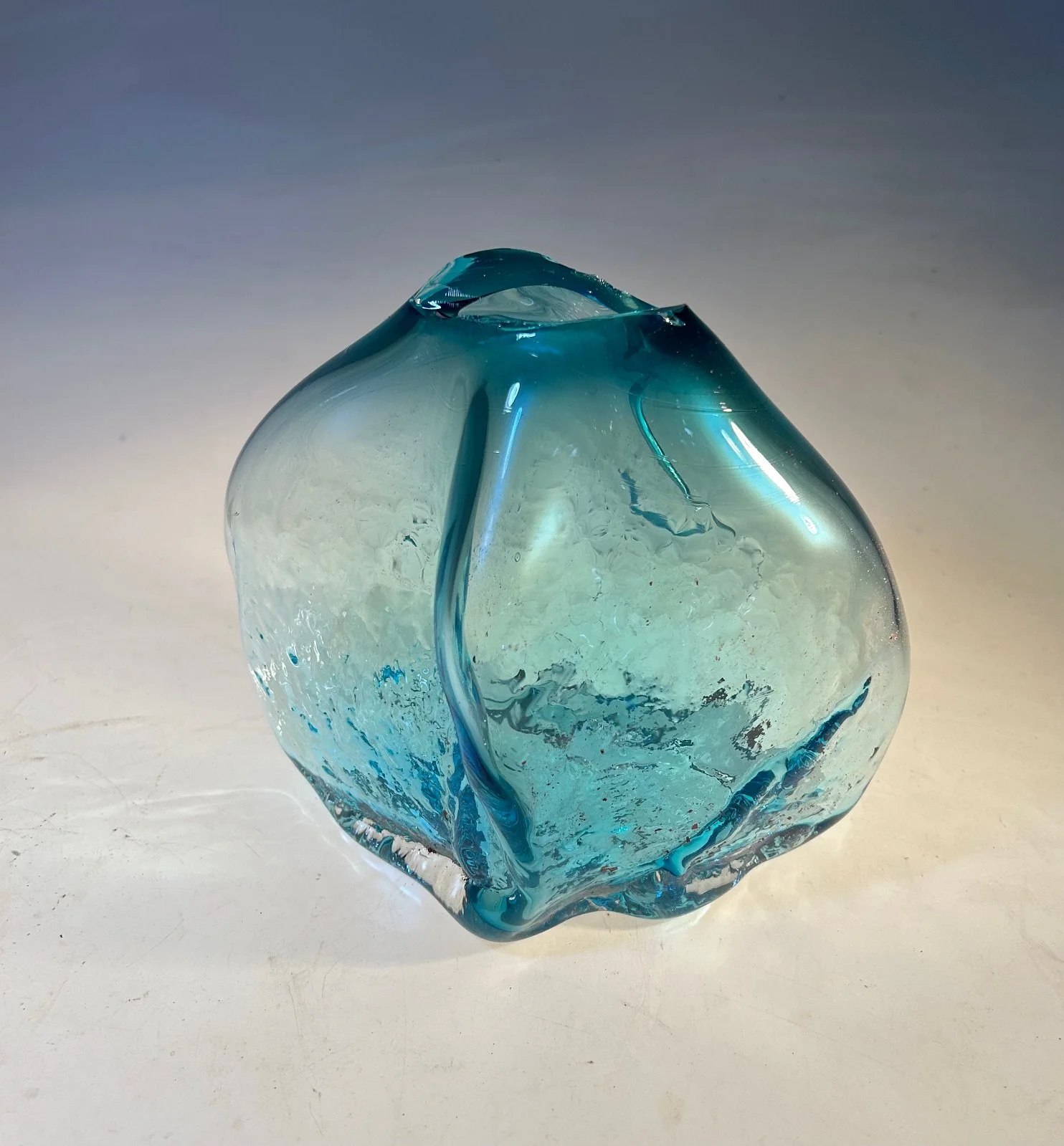
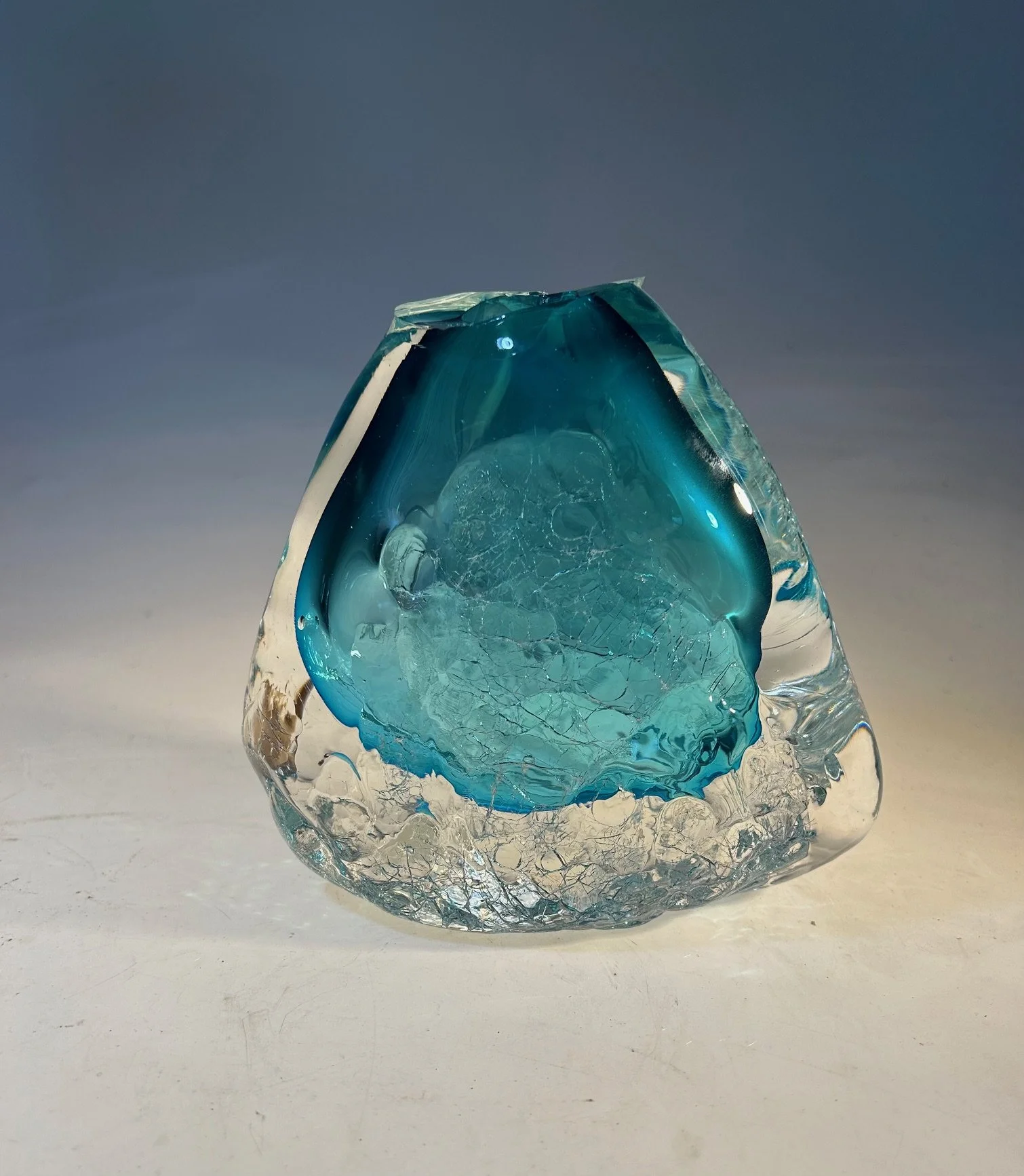
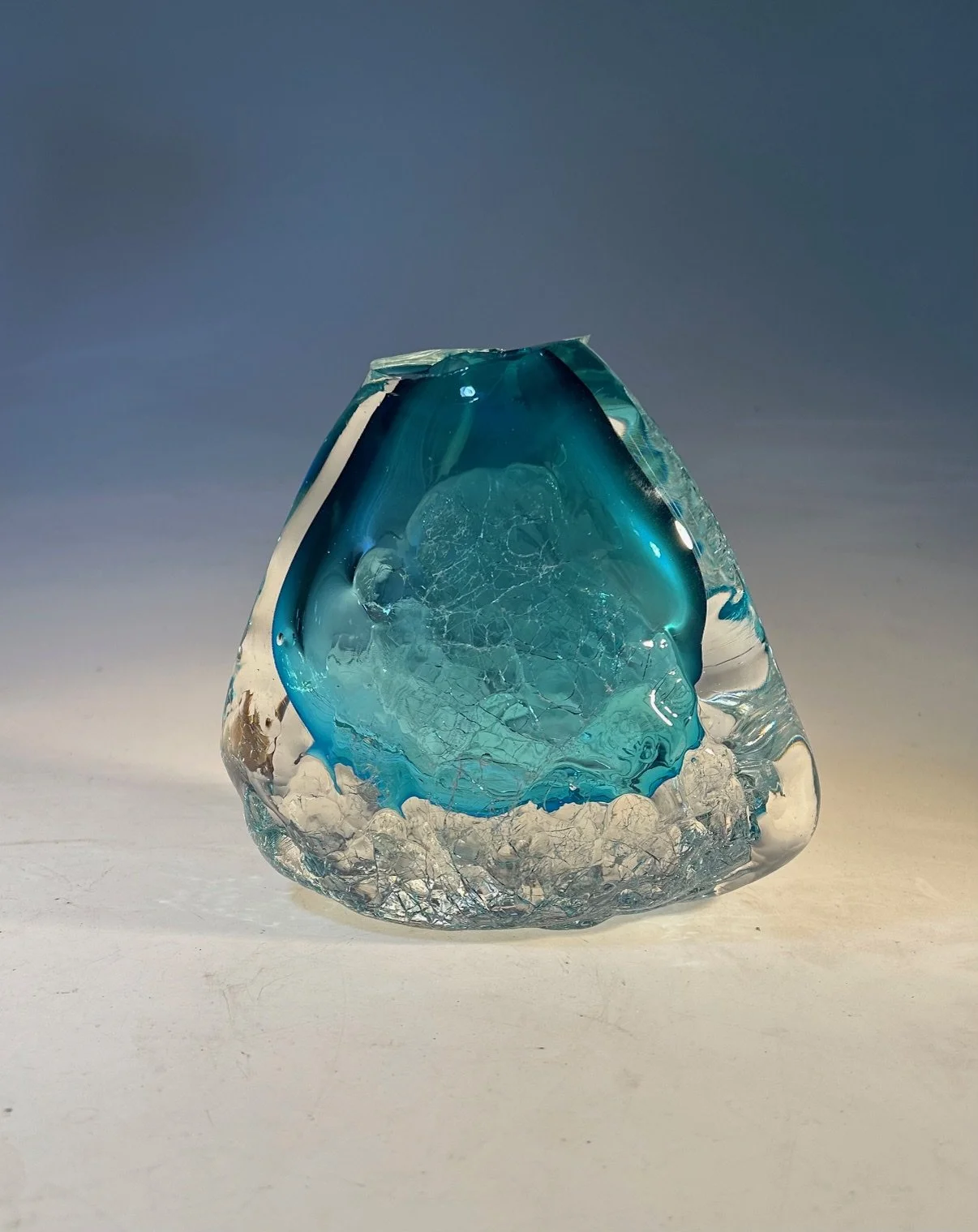
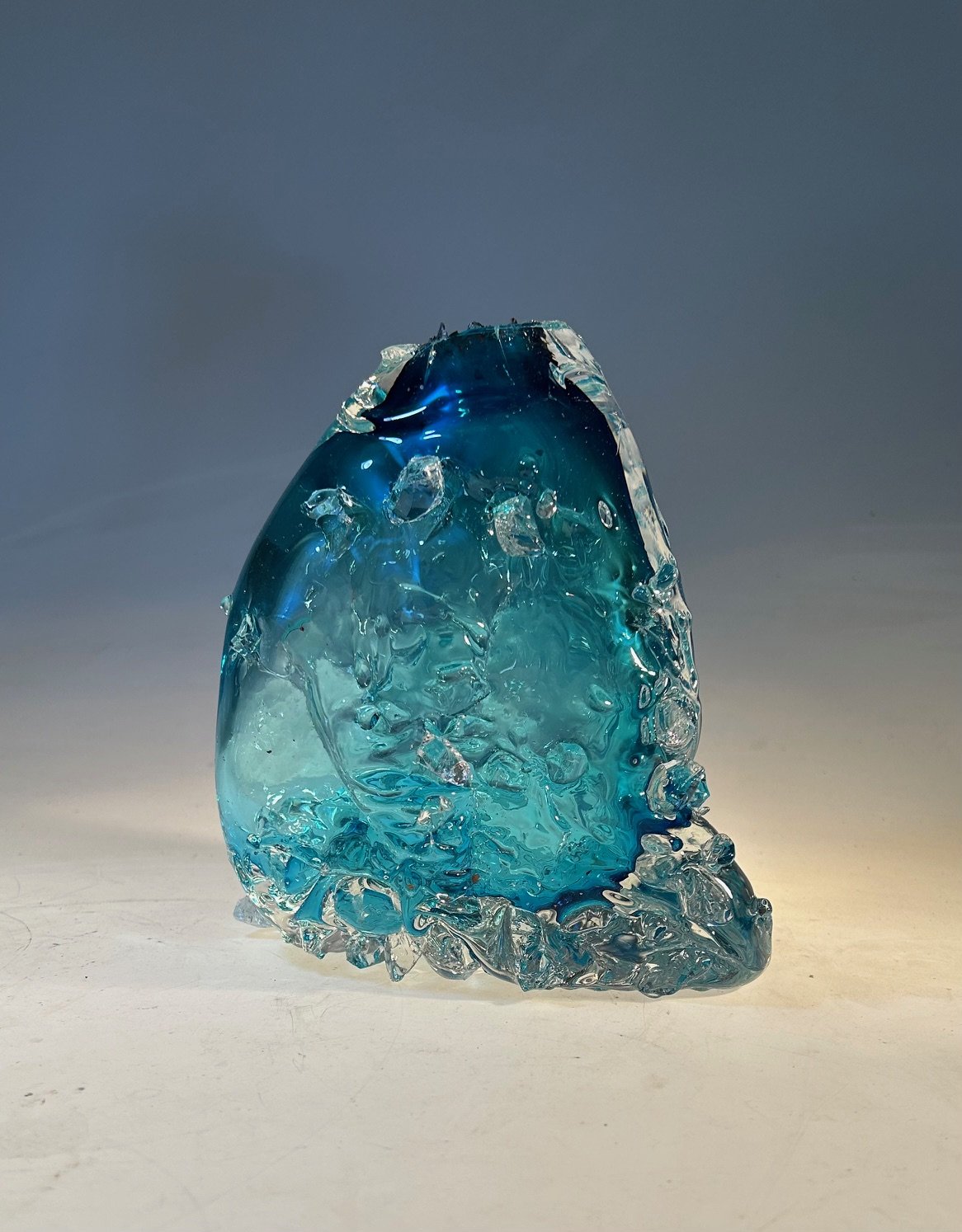
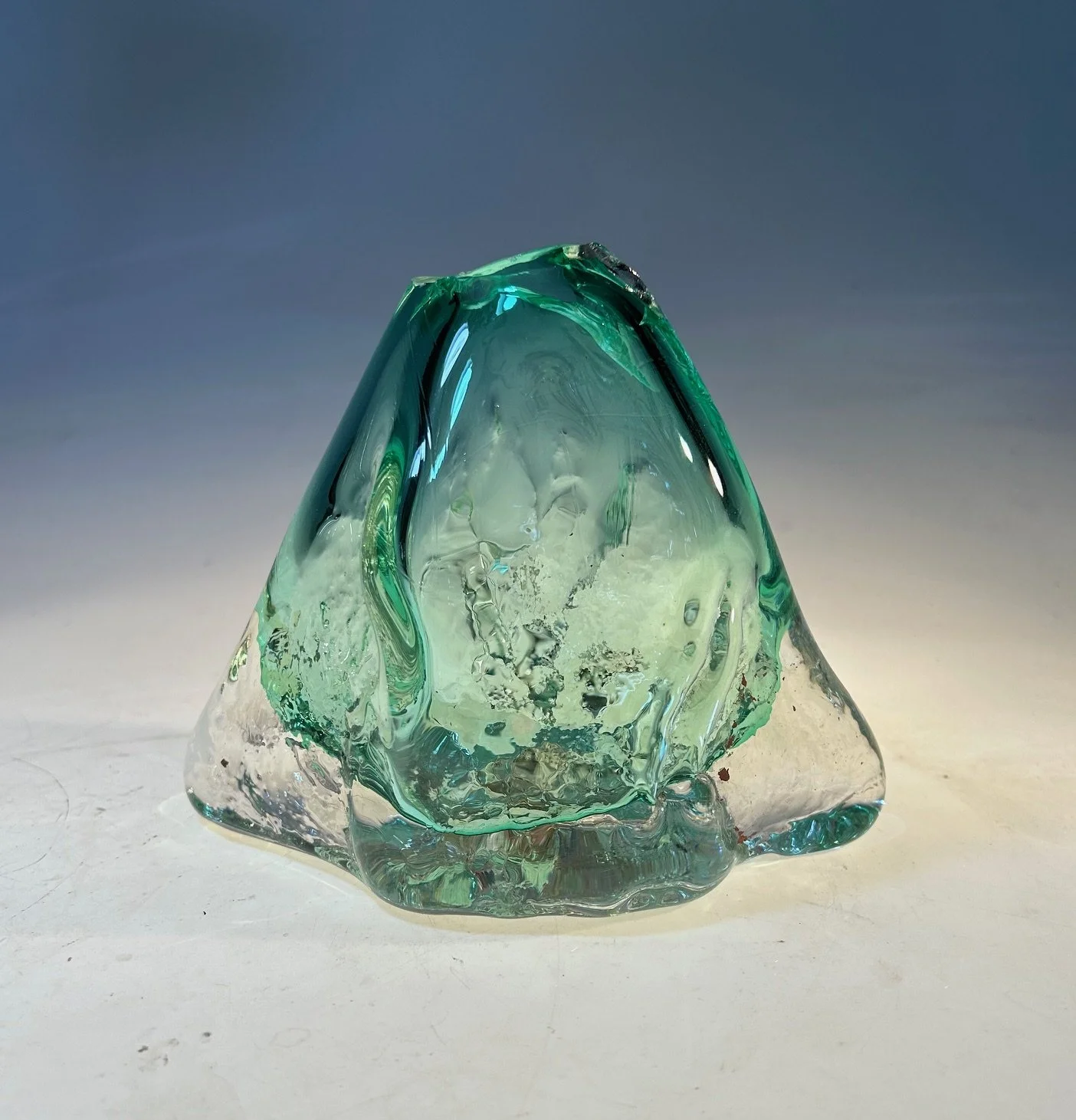
hydrophones ! for caputuring sound within vases
https://saralana.xyz/hydrophone
notes - nov 17
- egu - just submitting a proposal
- meeting in may? commencement is may 12
- paper
- finalizing
- printing?
- WCEH august 19-23 in oulu, finland
- JIRP? - h+e will chat with council or brad
- do we want to meet in december?? feels kind of stressful
- possible weekend - feb 2/3 (liz flies out on sat feb 2)
- cosy camp ? - at least 2 years off
- NSF workshops
- schmidt futures & alex?
- what do we want to do after?
notes - oct 27
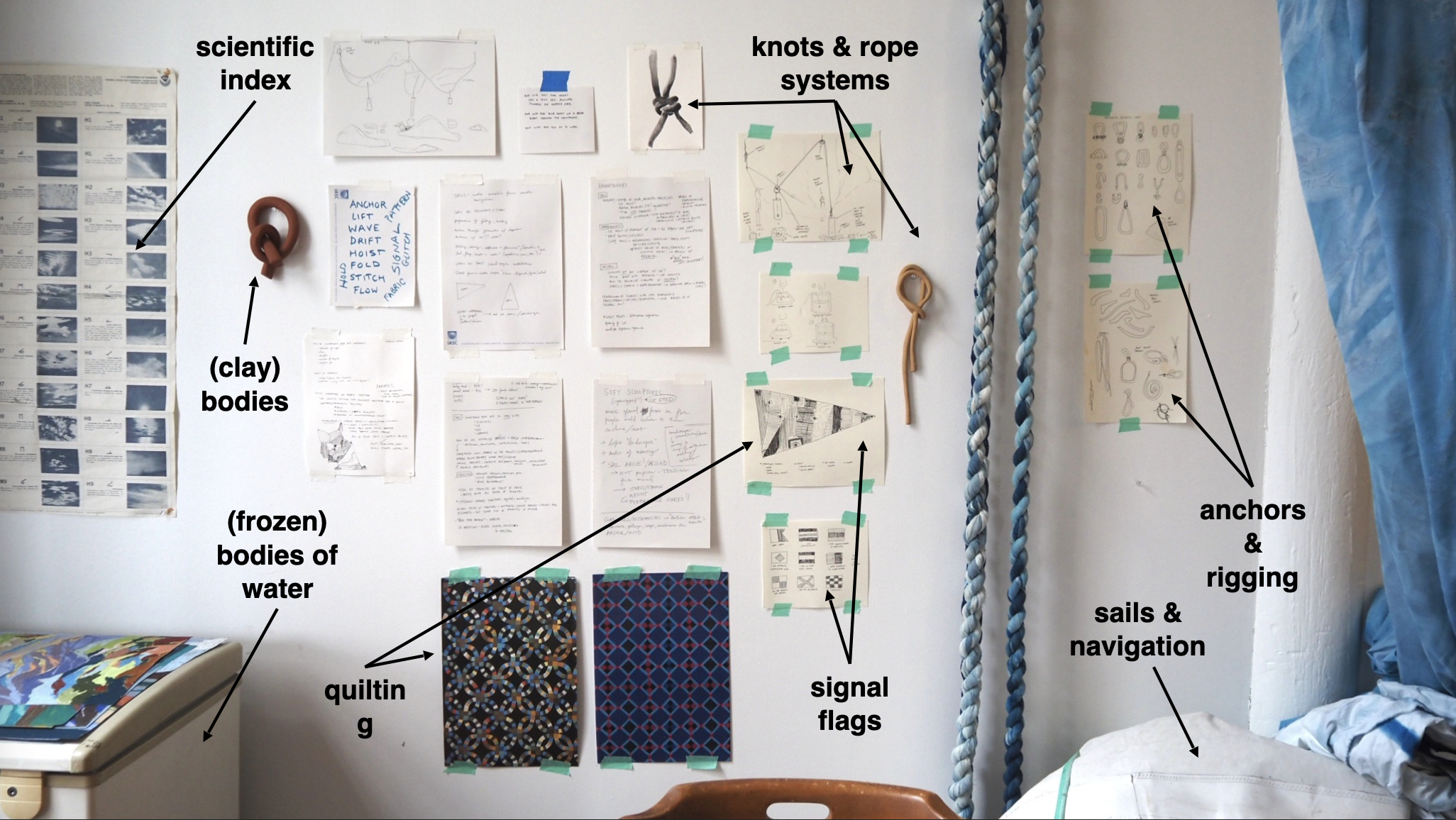
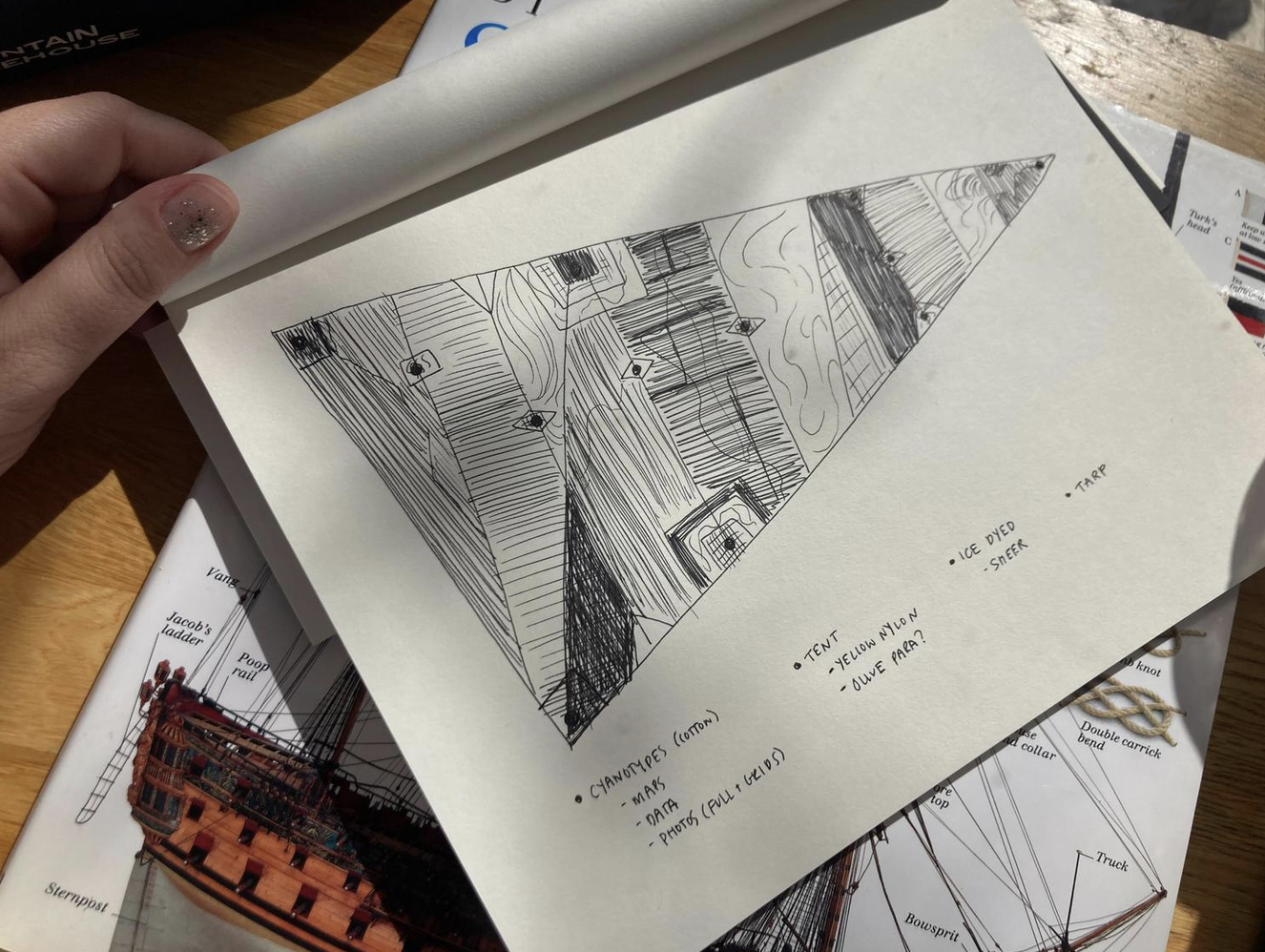
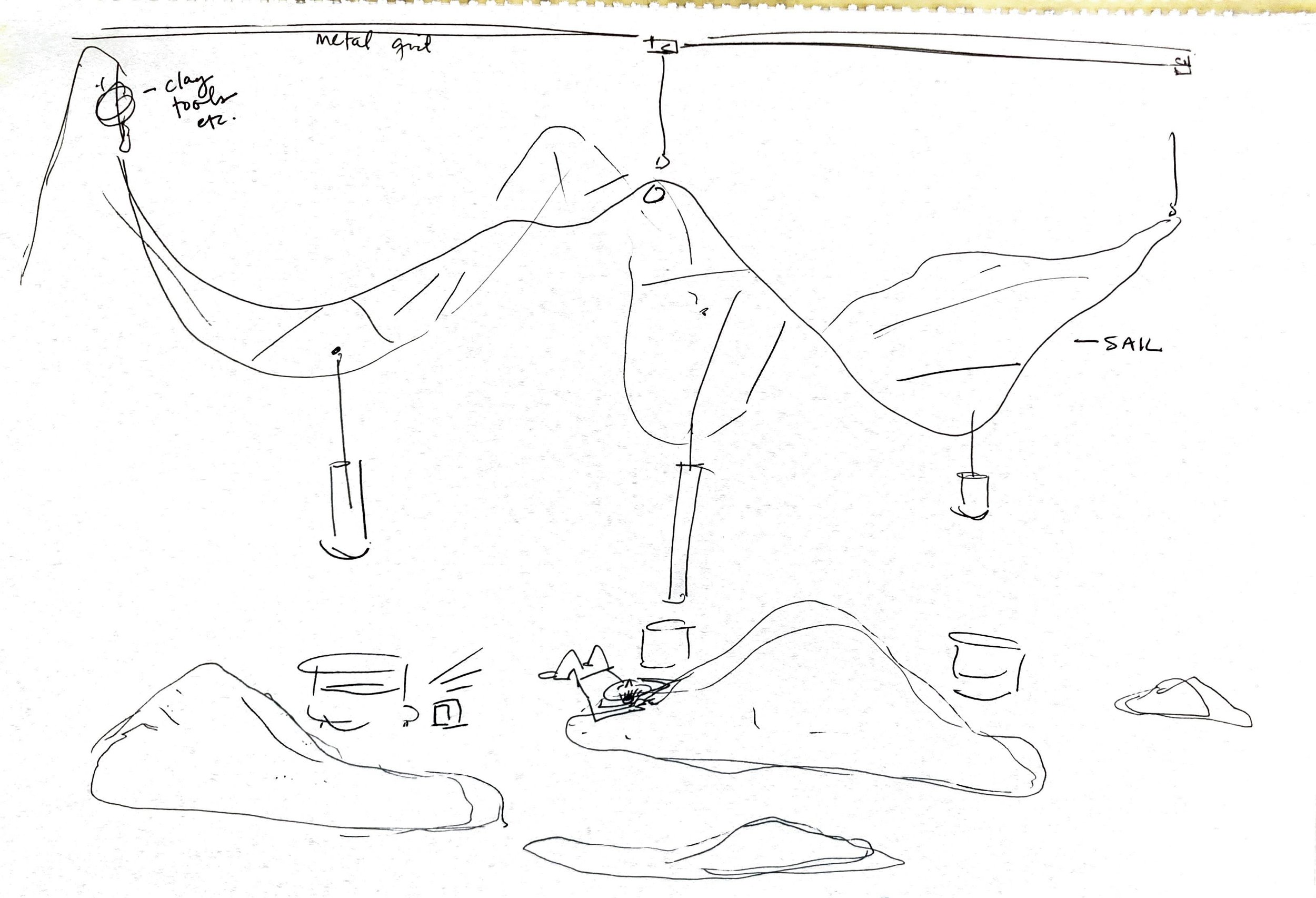
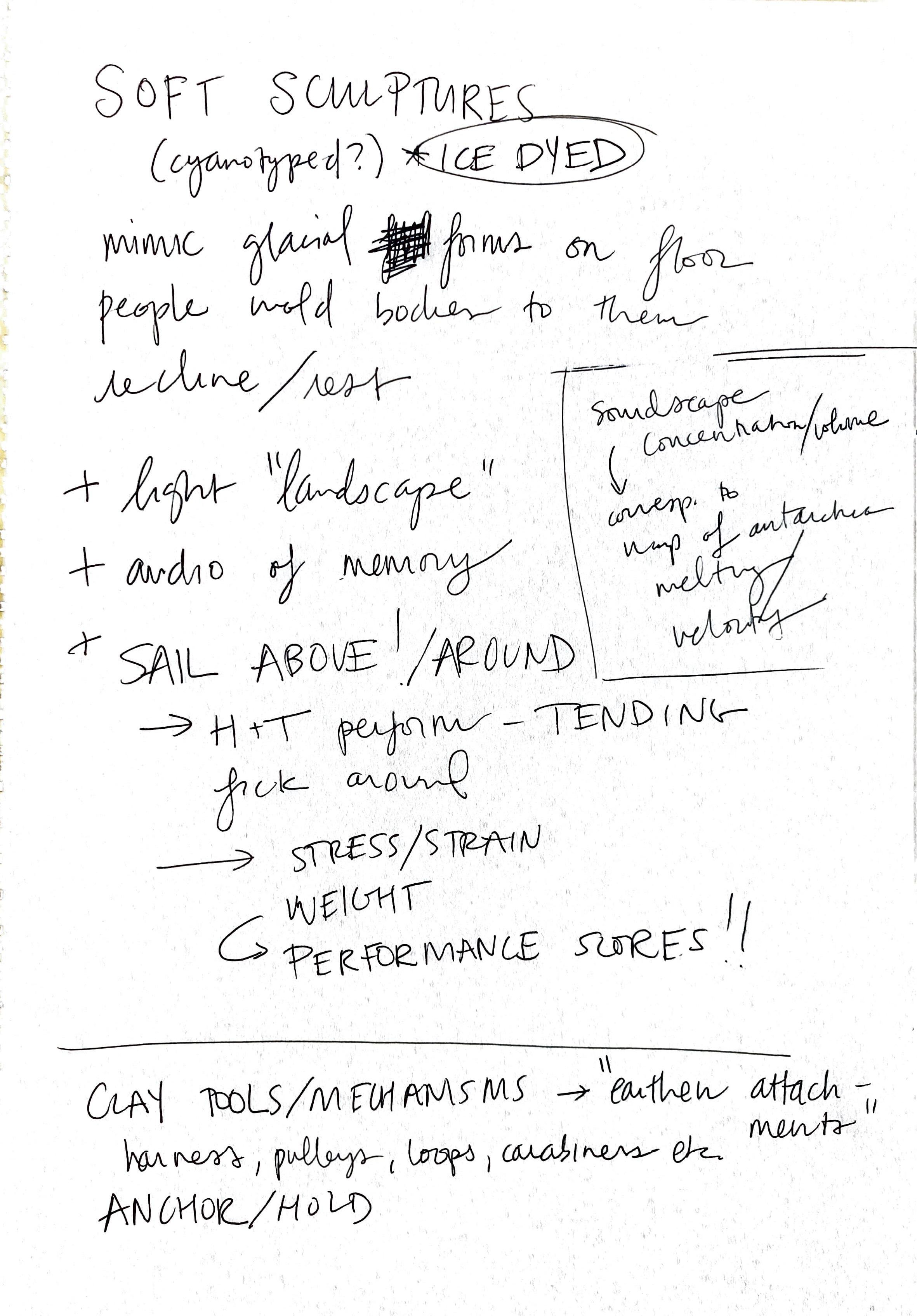
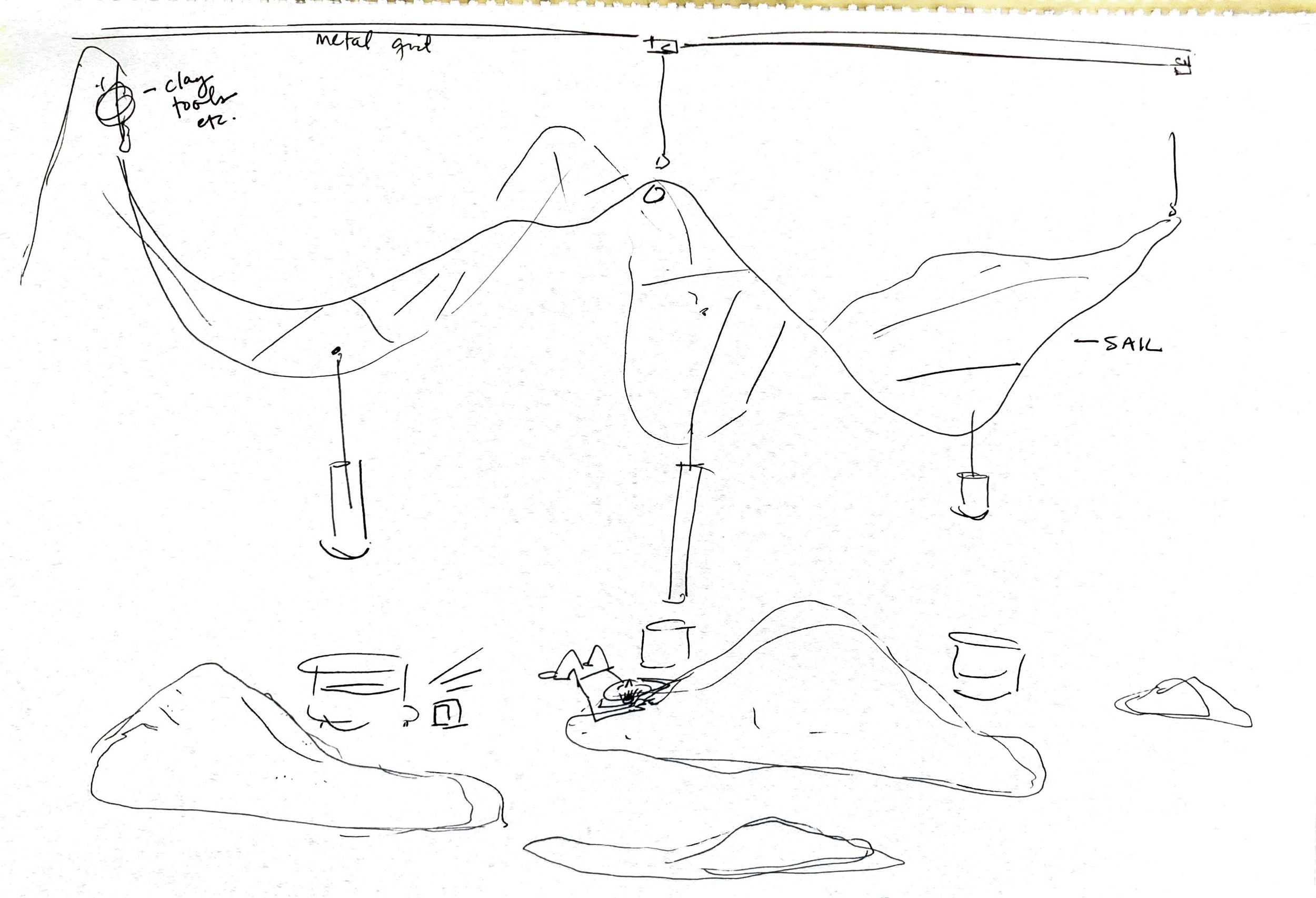
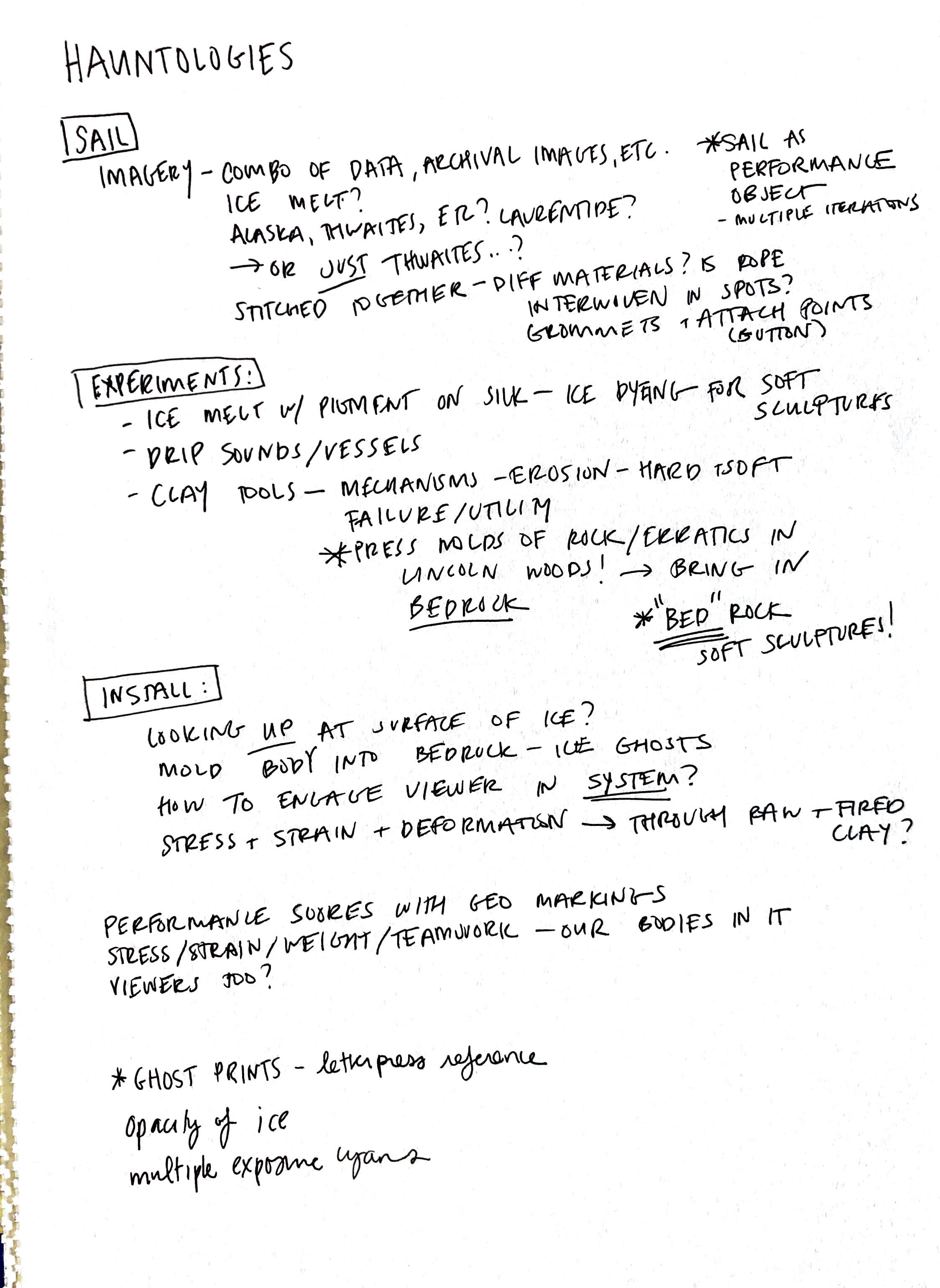
sail, stitching, thread, fabric strength
- sail, stitching, thread, fabric strength
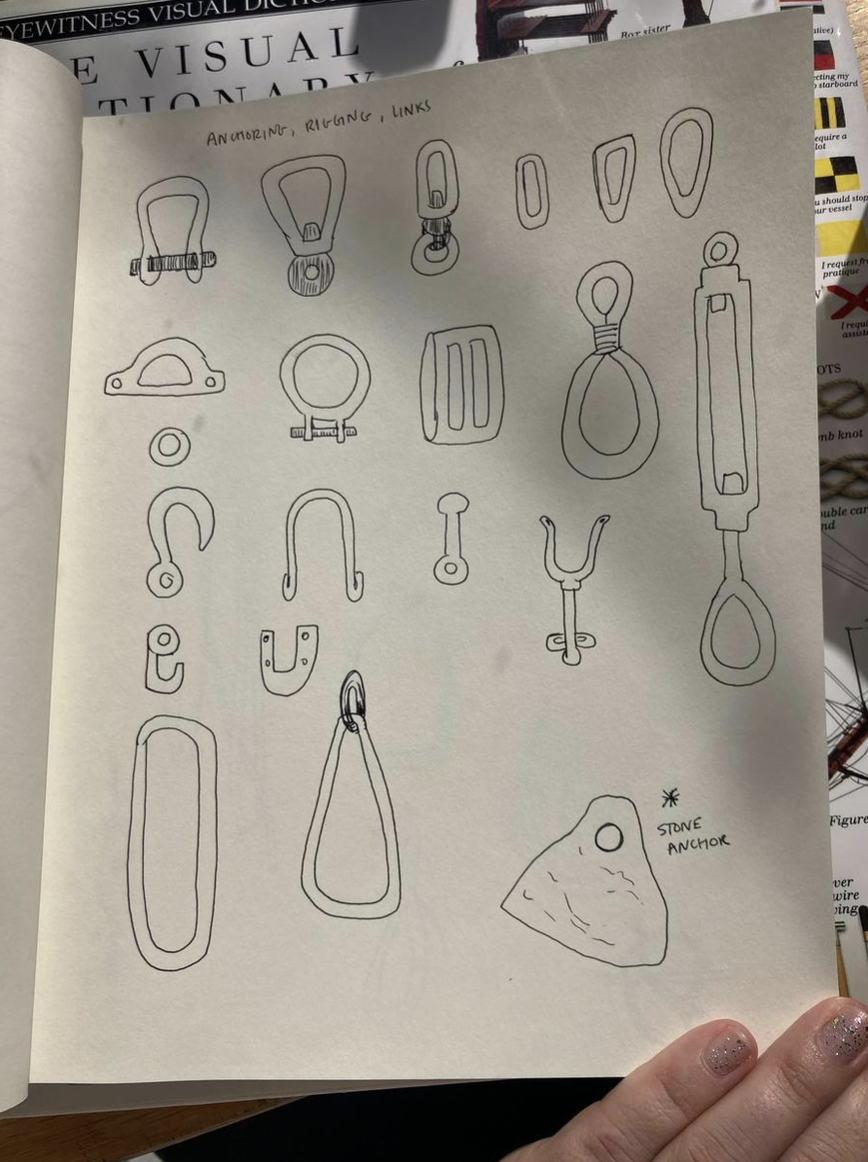
- anchor holds
- stress and different strain regimes (brittle failure, and ductile flow), plastic, elastic, viscous
- ApRES measurements
- stress and strain in the landscape
- stress and strain in the body, in fabric, in print materials, in the ice.
- garmin body battery data (body battery is critically low)
- imagery of fractures in satellite, airborne images
- imagery of submarine ice shelf channels that carve rivers in the bottom of the ice shelf.
- test recordings of ice core drippings, sounds, dripping onto cyantoype fabric
- in person workshopping around thx w/ tyler&hannah
- making a pattern for the sail
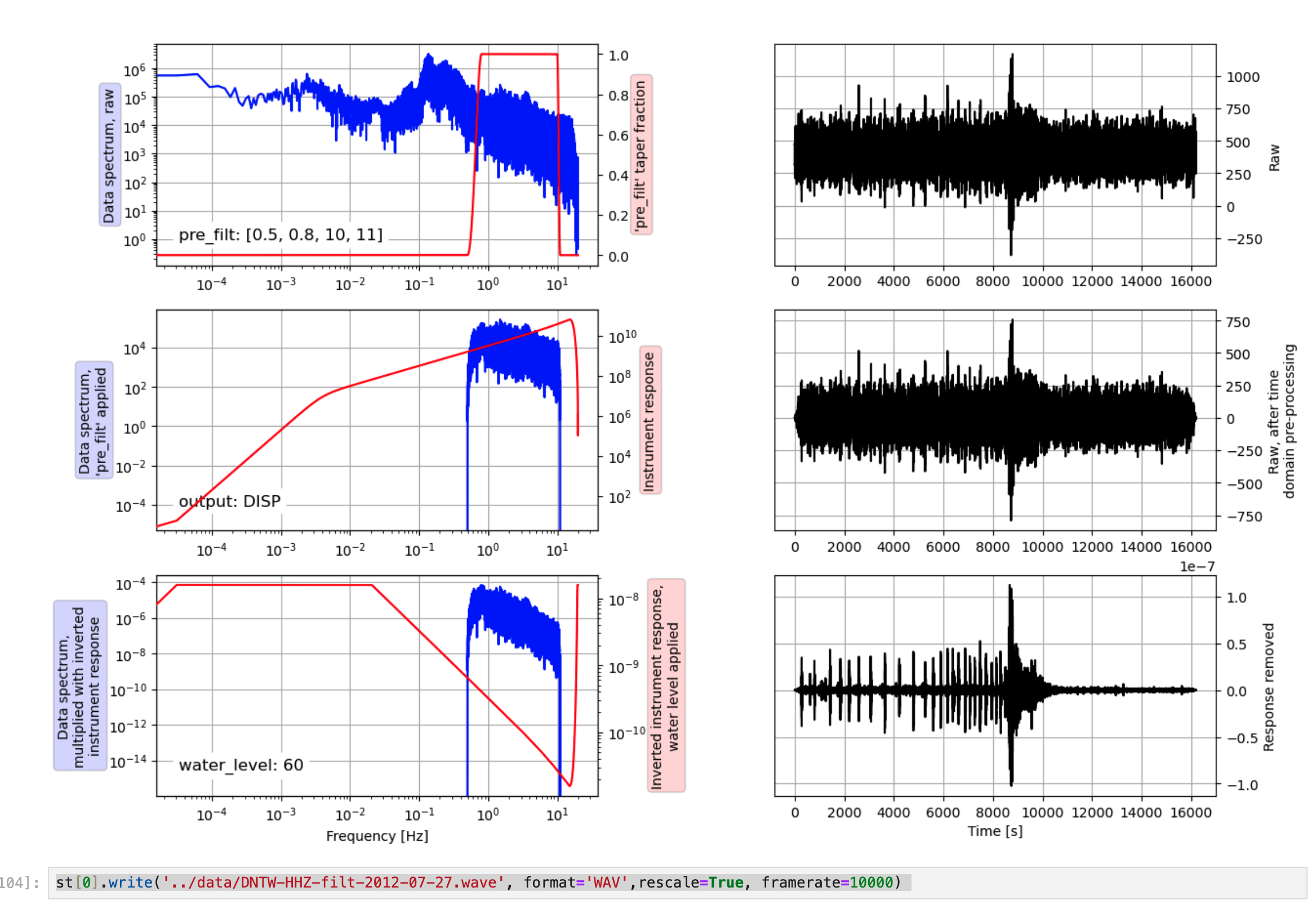
- test recordings of seismic data?
- ocean melt water timeseries -- could we use this to stress fabric?
- history of the water that melts glaciers like Thwaites (super saline hundred year old water at the bottom of the ocean).
- equipment purchasing push
- sourcing and researching imagery (Landsat, WV, Sentinel1A, Sentinel 1B, NISAR, USGS Earth Explorer, Copernicus, Planet Labs).
- movement, agency, physics-based glitching
- paper for WCEH not due until the conference
- meeting all together in early december
- get permission to bring back more thwaites water?
- get hannah last year’s thwaites water!
- Meeting schedule for the spring?
questions from tyler
What movement in your body helps you evoke what you know or imagine of a glacier?
What movement in your body helps you remember a glacier you know or imagine?
What would you like to ask a glacier?
How would you describe a glacier only using gestures and movements?
What is the one thing you want to remember about glaciers as you know them to be in this moment?